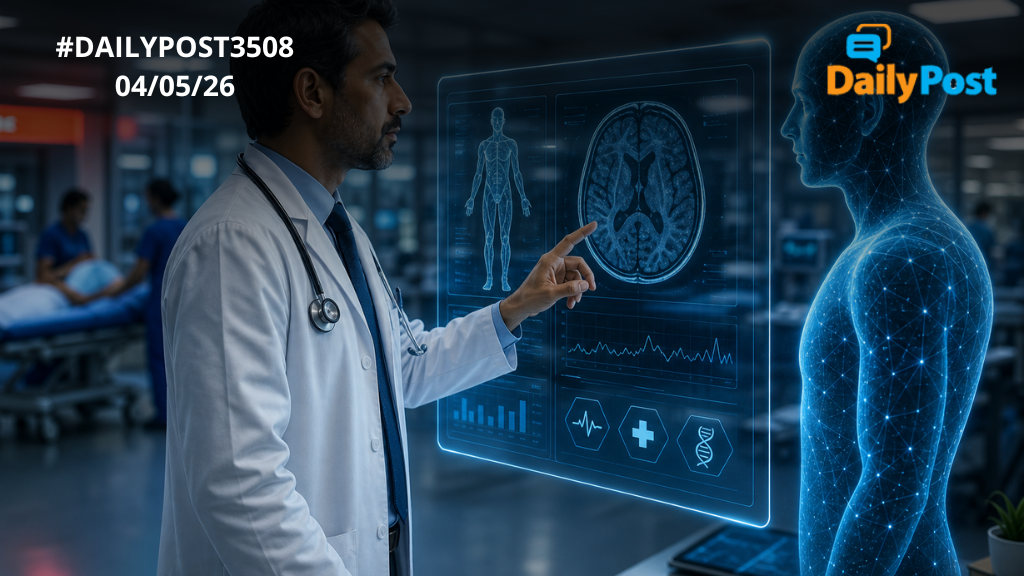
A Harvard study published in Science showed OpenAI’s o1-preview model outperforming two attending emergency room physicians across 76 real patient cases, achieving 67.1% diagnostic accuracy at triage compared to 55.3% and 50.0% for the doctors. Blinded reviewers couldn’t distinguish AI from human diagnoses, and the model even flagged a rare flesh-eating infection hours earlier than physicians.
This demonstrates that even 2024-era AI surpasses human performance in high-stakes ER scenarios using only raw health records. Frontier AI models like o1-preview offer transformative potential for healthcare by enhancing triage, diagnosis, and management, as seen in its 97.9% helpful diagnosis rate on complex cases.
Integrating these tools at scale could address doctor shortages, especially in overburdened systems like India’s, improving outcomes and quality of life. Without AI support, healthcare risks inefficiency, playing with lives when faster, accurate decisions are critical. Yet, adoption faces significant hurdles including data quality and integration issues cited by 47% of leaders, alongside privacy and regulatory concerns.
In India, unstructured data, digital divides in rural areas, and skill gaps compound these, while high costs and lack of interoperability slow enterprise-wide rollout. Ethical dilemmas like bias, transparency, and liability further breed resistance among professionals wary of job displacement. Healthcare sans frontier AI is a self-imposed handicap we can no longer afford—scale it now to save lives and redefine care.
AI + DOCTORS: THE ULTIMATE POWER COUPLE—IGNORING IT COSTS LIVES!
Sanjay Sahay
Have a nice evening.