
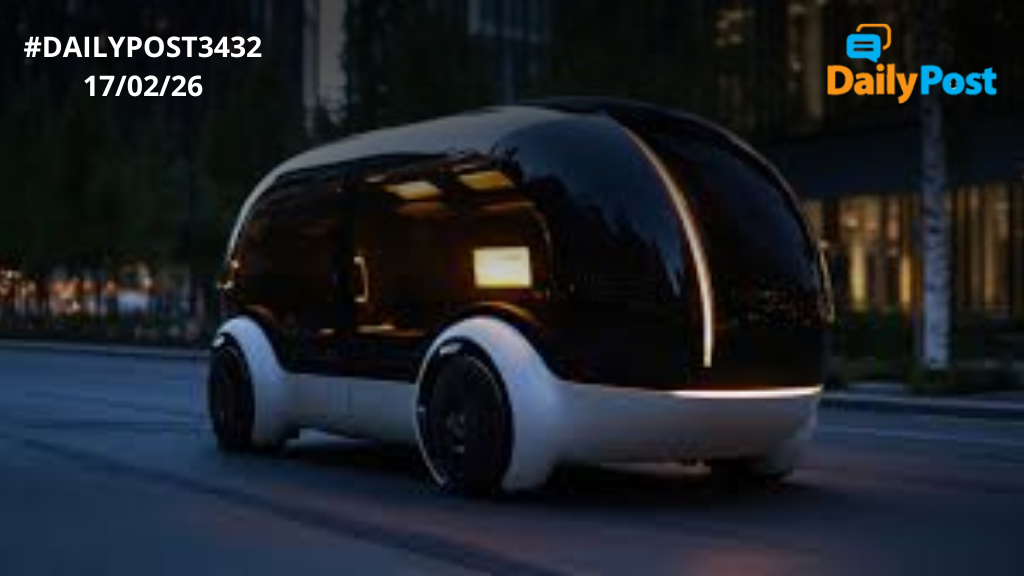
Waymo’s journey began in 2009 as Google’s self-driving car project, evolving through DARPA challenges and early tests in California and Arizona. By 2018, it launched Waymo One, the first commercial robotaxi service in Phoenix using Jaguar I-Pace vehicles, marking a shift from testing to paid rides amid industry milestones like Cruise’s beta and Uber’s setbacks.
Today, Waymo dominates with fully driverless services in six U.S. markets—Phoenix, San Francisco, Los Angeles, Austin, Atlanta, and Miami—delivering over 400,000 paid rides weekly. The sixth-gen Waymo Driver powers new Ojai vans from Zeekr, featuring 42% fewer sensors (13 cameras), weather-resistant tech, and employee trials in SF and LA, outpacing rivals like recovering Cruise, Zoox’s limited ops, and Tesla’s supervised FSD.
Waymo targets 1 million weekly rides by end-2026, expanding to 20+ U.S. cities like DC, Detroit, and Las Vegas, plus international launches in London and Tokyo. Public Ojai rides start later this year, with Hyundai Ioniq 5 integration, intensifying pressure on Tesla and Zoox amid rapid fleet scaling.
Industry-wide, robotaxis promise safer roads by reducing human error — responsible for 94% of crashes — and $1 trillion in annual economic value through efficiency gains.
ROBOTAXIS: REDEFINING MOBILITY, ONE DRIVERLESS RIDE AT A TIME!