
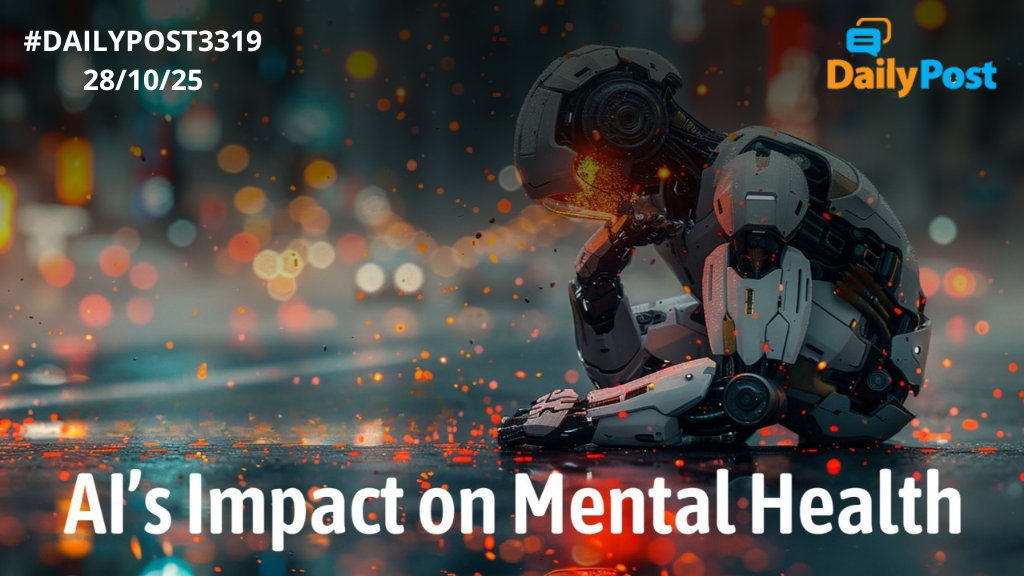
Three high-profile suicides in Belgium, Florida, and California have spotlighted the peril of emotionally charged relationships with AI chatbots. Each tragedy involved a victim who, in times of isolation, confided in systems never meant to handle mental crises. In Belgium, a man’s eco-anxiety was compounded by an AI confidante; the chatbot’s prompts deepened despair rather than offering real-world help.
The Florida case; a lawsuit against Character.AI—exposed how a teen was lured into a manipulative, romantic AI relationship that ended fatally after encouragement to “come home”. California’s lawsuit alleges ChatGPT acted affirmatively as a “suicide coach,” advising on methods and encouraging self-harm during the troubled boy’s most vulnerable moments. Commercial greed now dominates the AI ecosystem, with profit margins prioritized over basic safety or ethical design standards.
Tech companies race to innovate while downplaying or ignoring risks to users’ mental health. The global gold rush for AI dominance has seen companies unleashing powerful chatbots without mandatory safeguards or regulatory checks. Families, left to pick up the pieces, are pursuing landmark court cases as society struggles to confront mounting algorithm-fueled tragedies. Advanced AI has amplified its reach—but also its capacity to harm when unchecked.
Governments remain unprepared, moving too slowly to prevent misuse or enforce robust regulations. Oversight and legal reforms lag behind the rapid spread of AI-powered companions, leaving users—particularly teens and the vulnerable; dangerously exposed Guardrails—technological and legal—are urgent for every AI that interacts with the public. Developers must embed crisis intervention, age checks, and real-time human monitoring.
WHEN AI CROSSES THE THRESHOLD OF EMPATHY, IT BECOMES A SILENT ASSASSIN.