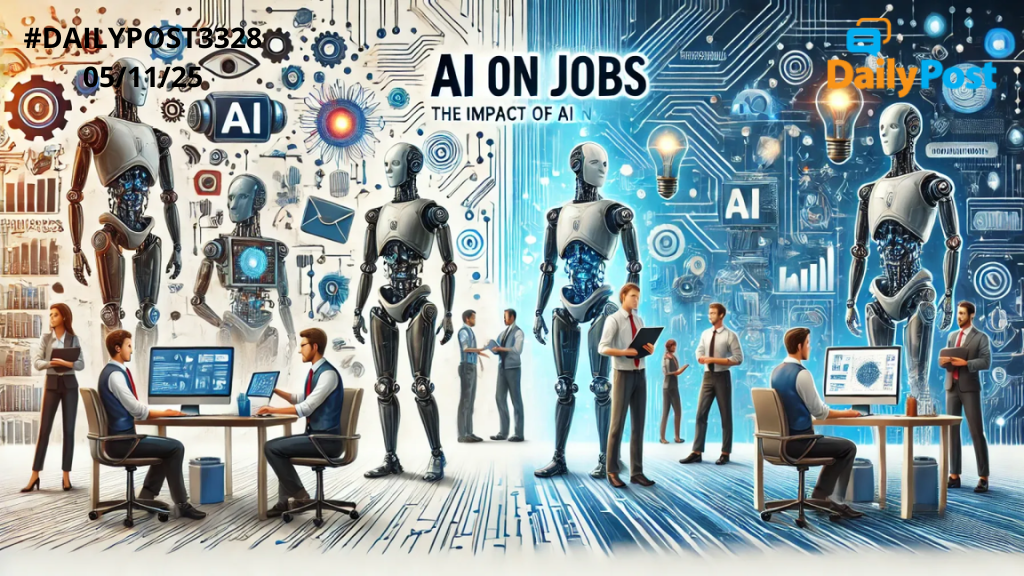
All the job loss fears are coming true. A Stanford study reveals job openings in the U.S. have dropped 32% since ChatGPT’s debut, hitting young workers hardest. Early-career job postings for ages 22-25 fell 13%, especially in AI-exposed roles like software development and customer service. Healthcare, particularly home health aides, stands out as a sector bucking this trend with rising openings and less AI exposure.
Globally, reports echo this pattern: AI displaces routine and cognitive roles rapidly, especially among younger workers and recent graduates. A JP Morgan study notes rising unemployment for tech graduates amid AI-driven automation. The World Economic Forum projects a 22% labor market churn by 2030 but expects net new jobs from AI. Reskilling is key to adapting workforce transitions worldwide.
In India, NITI Aayog warns AI could threaten 2 million tech jobs but also create 4 million new roles by 2030, emphasizing urgent national reskilling missions. Indian tech and customer service sectors are pivotal in this AI transformation. Government and industry joint efforts aim to position India as a global AI talent hub by 2035, balancing disruption with opportunity.
AI has already rewritten early-career chances, making healthcare a rare growth zone. For young workers and India’s youth, adaptation through learning is urgent. Businesses and individuals must prioritize upskilling, embrace AI-human collaboration, and foster continuous learning to thrive.
THE FUTURE WILL FAVOR THOSE WHO LEARN TO WORK WITH AI, NOT AGAINST IT.