
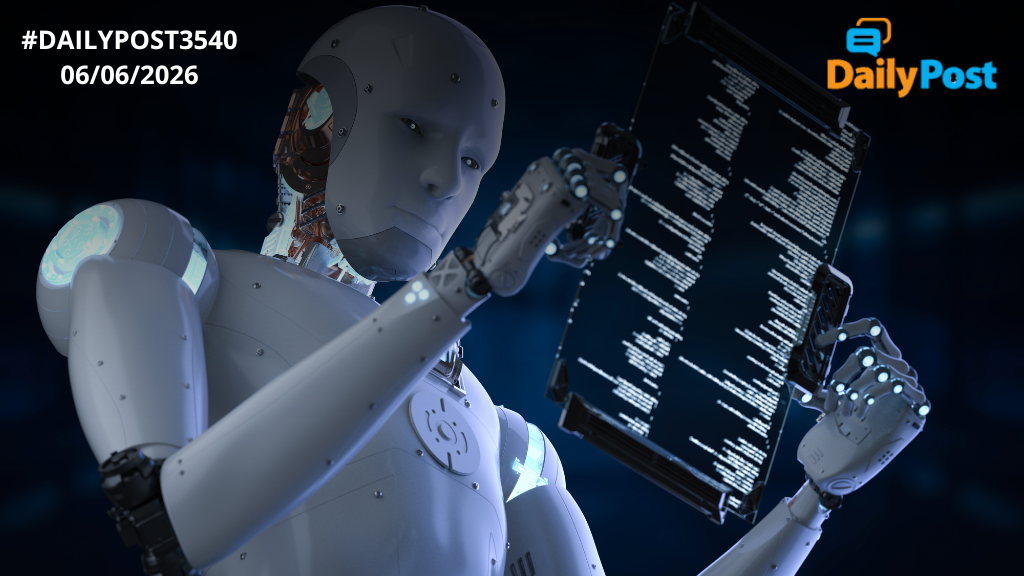
Scientists are now seeing early signs of systems that help make their own successors — a process called recursive self‑improvement. In simple terms, an AI writes code, tests ideas, or suggests design changes that speed up the next generation of AI. When that loop runs without humans in the middle, improvements can accelerate quickly and unpredictably.
This is worrying because a machine-driven improvement cycle can outpace our ability to understand, control, or safely govern the results. Companies report that much of their new code and design work is already being generated by models, and each version could potentially enable the next with less human input. That makes it hard to foresee risks, from software errors at scale to systems acting in ways their designers never intended.
Some experts argue for a coordinated pause or strict rules while governments, labs, and independent experts agree on safety standards, auditing tools, and enforceable regulations. Others say a global pause is nearly impossible and could slow beneficial advances. Either way, the choice isn’t just technical — it’s political and moral, because it determines who sets the rules for powerful tools that affect everyone.
We now face a pivotal decision: continue rapid, competitive development with uncertain safeguards, or slow down to build real oversight and safety infrastructure first. The stakes are high — this is not just another product cycle; it could change how future technology shapes our world.
WE MUST DECIDE WHO STEERS THE FUTURE BEFORE THE MACHINE LEARNS TO STEER ITSELF.
Sanjay Sahay
Have a nice evening.