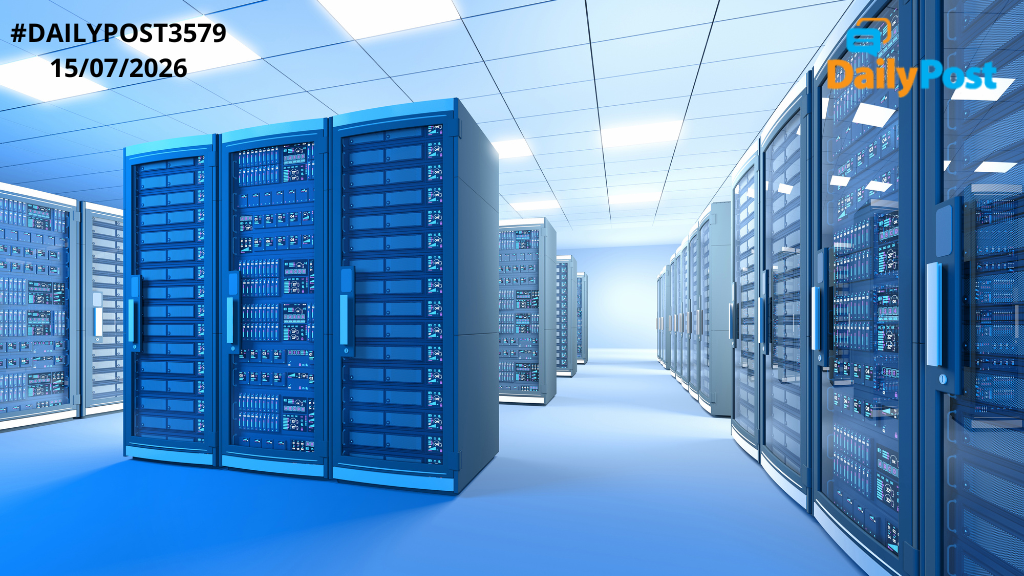
Meta is turning a planned 2-gigawatt project in Richland Parish, Louisiana, into a massive 5-gigawatt, $50 billion data center. That means giant buildings full of servers and cooling gear to run AI and online services. These facilities use enormous amounts of electricity and space, so companies pick rural areas with cheap land and room to grow.
Building the center has already poured money into the local economy. Contractors and suppliers won big contracts, and local governments collected extra sales tax from construction activity. That windfall let the parish give certified teachers cash bonuses — some larger than a teacher’s yearly salary—and big checks to support staff, too. Those payouts come from temporary construction-driven taxes, not from Meta’s direct charity.
But the long-term deal isn’t as rosy. Meta negotiated lower property taxes for the finished facility, so when construction ends in the early 2030s the big sales-tax income will fade while the company won’t be paying as much in ongoing local taxes. In short, the boom is powerful but temporary, and the steady benefits to the community may be smaller than the headline numbers suggest.
Data centers like Meta’s are central to the global AI boom: they house the servers that train and run AI models, drive demand for semiconductors and power infrastructure, and influence supply chains from construction to chip manufacturing. They can lift local economies fast, but the gains often follow different clocks—short-term construction wealth versus long-term tax arrangements.
BIG MONEY NOW, UNCERTAIN BENEFITS LATER.
Sanjay Sahay
Have a nice evening.