
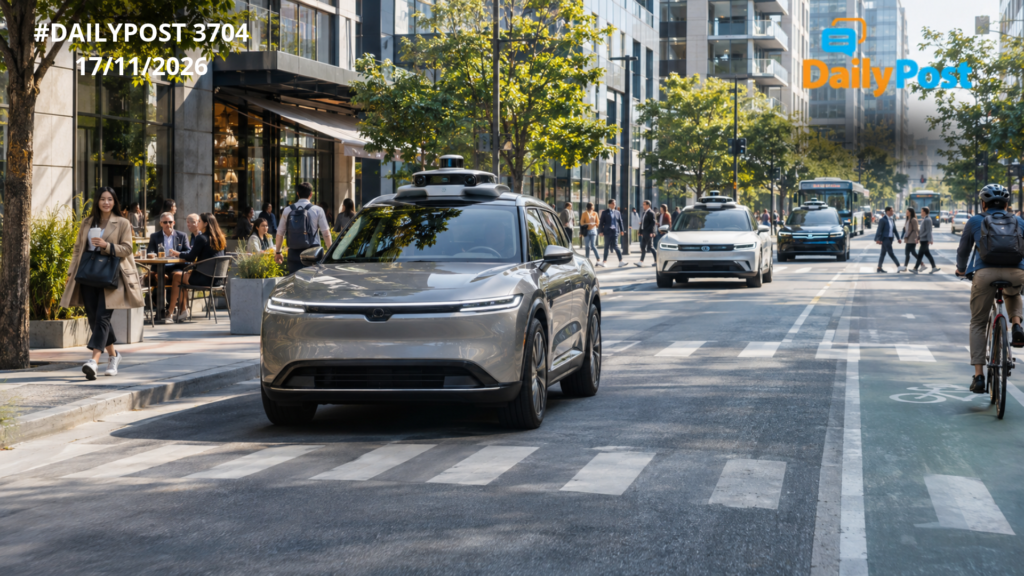
Self-driving cars are no longer just a future idea. Waymo has already carried passengers without a human driver across more than 271 million rider-only miles through June 2026, and its safety data reports far fewer injury crashes than human drivers in the areas it serves. This shows that autonomous taxis can work reliably when they operate within carefully mapped and managed areas.
Tesla’s new Cybercab takes this one step further: it is a two-seat car with no steering wheel or pedals, offered to selected private buyers for $29,990. But it cannot be driven manually and works only inside Tesla’s approved Robotaxi zones in parts of Texas and Florida. It is designed for personal use, not as a taxi or rental vehicle.
The big difference is ownership. A Waymo ride is a service you book; a Cybercab is a car you buy—but you still need a $299 monthly Autonomy Subscription to operate it. That is about $3,588 a year, before insurance, charging, maintenance, and other costs. Tesla can also change or limit the approved driving zones, so owners depend heavily on the *company’s software and service map.*
For buyers, the Cybercab may suit people living and travelling mainly within a supported zone who value a driverless car and can absorb the ongoing fee. For most people, it is not yet practical because the service areas, legal approvals, and infrastructure are limited. The real game changer will come only when such cars can operate safely across cities, at a fair total cost.
THE CAR MAY BE YOURS, BUT THE ROAD STILL BELONGS TO THE SOFTWARE.
Sanjay Sahay
Have a nice evening.