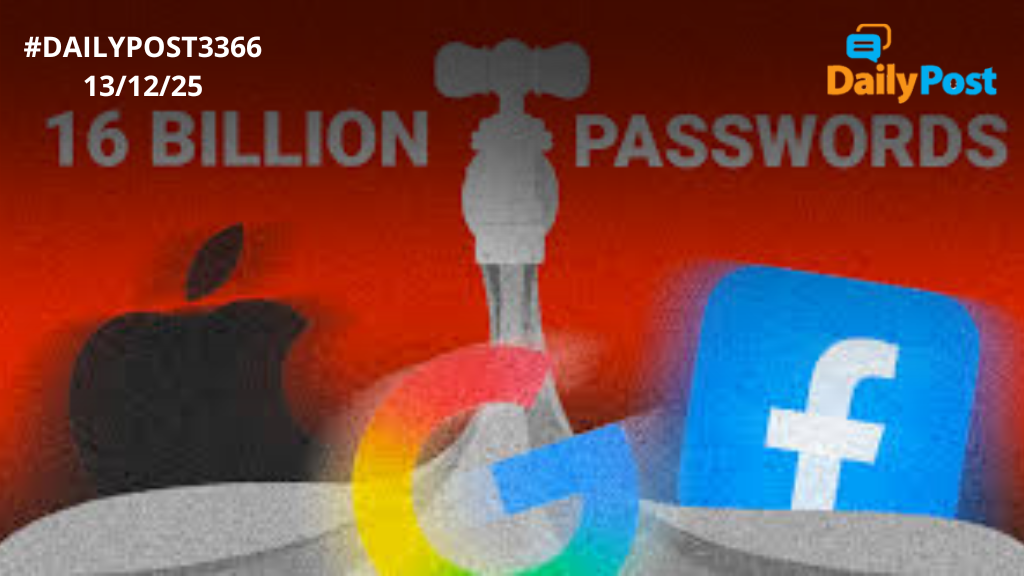
A staggering 16 billion login credentials from platforms like Google, Apple, Facebook, Telegram, and GitHub have surfaced across 30 unsecured databases, marking the biggest compilation in cyber history. Primarily sourced from recent infostealer malware — not a single breach—the data mixes overlaps with fresh logs, including tokens and cookies, exposing users worldwide.
This isn’t recycled trash; its recency and scale hand cybercriminals a goldmine for exploitation. The importance hits hard: attackers now turbocharge credential stuffing, testing leaks across sites for account takeovers, while fueling identity theft, targeted phishing, and ransomware.
In India, Gmail, government portals, and VPNs bear the brunt, threatening journalists and professionals in high-stakes fields like cybersecurity investigations. Likely impacts include widespread financial losses, corporate espionage, and eroded trust in digital services amid rising infostealer threats. In this hyper-digital era, the leak underscores cybersecurity’s fragility — passwords alone crumble against malware armies, demanding systemic shifts beyond reactive fixes.
Implications scream urgency: without MFA ubiquity and zero-trust models, breaches cascade into national security risks, amplifying vulnerabilities in AI-driven, interconnected worlds. The way out? Mandate unique strong passwords via managers, enforce MFA everywhere, scan for infostealers, and pivot to passkeys—victory demands vigilance, not surrender.
WE CANNOT AFFORD TO LOSE TO THE CYBER CROOKS. ARM UP NOW OR PAY FOREVER!