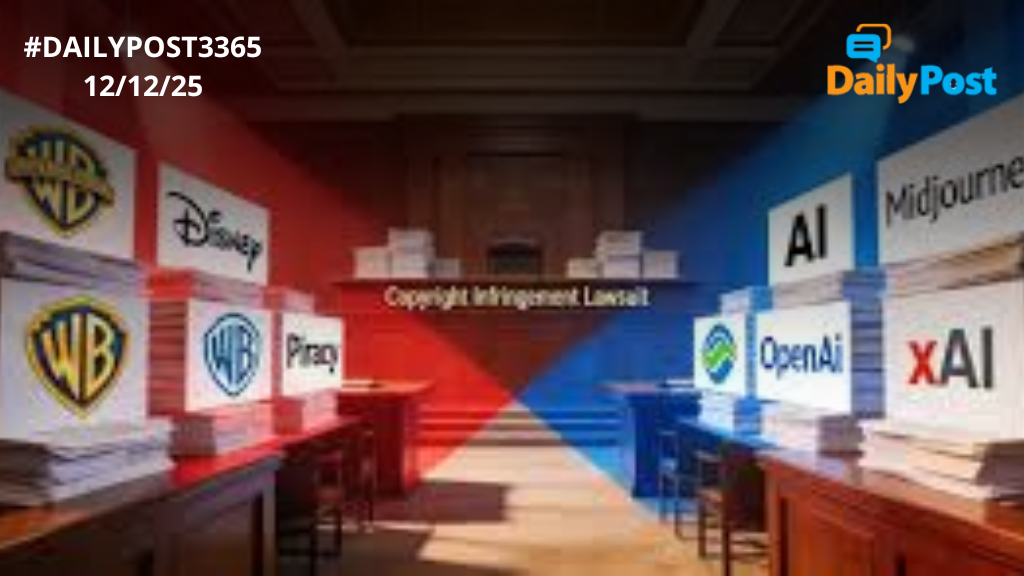
Disney’s three-year licensing pact and $1 billion equity stake in OpenAI makes Sora the first major AI video platform with full, affirmative rights to deploy characters. Over 200 Disney, Pixar, Marvel, and Star Wars characters can now be used by OpenAI. It excludes talent likenesses and voices to avoid right-of-publicity minefields.
Disney would adopt OpenAI’s APIs and internal ChatGPT use, with select Sora creations eligible for Disney+ curation, signaling a product and distribution loop that blends UGC and studio control at scale. The shift now is from “train now litigate later” to front‑loaded licensing. With WIPO and industry analyses noting rapid GenAI patenting and licensing centrality, we can expect firms to legally balance freedom to operate against rising enforcement by IP-heavy media owners.
For output use of famous characters, yes: affirmative licenses sharply reduce copyright and trademark exposure and avoid murky fair‑use arguments around style or character. It is not a blanket shield on training-data questions, but by aligning product scope (licensed characters, curated streaming) to permissions, OpenAI contains the riskiest vectors and gains durable differentiation over unlicensed rivals.
Disney gains a controlled UGC funnel to Disney+, youth engagement, equity upside, and a platform to enforce its rights. Google is alleged of “massive” unauthorized use across AI services and YouTube surfaces. OpenAI gains premium IP, ecosystem lock‑in, and a marketing moat, while competitors face a fork: sign licenses, confine generation, or risk high‑stakes litigation amid growing publisher and studio activism against unlicensed outputs.
THIS IS THE MOMENT IP-RICH MEDIA TURNS LLMS FROM TRAWLERS INTO LICENSED ENGINES.