
Robotaxis have transformed urban mobility in San Francisco, where services like Waymo and Cruise now operate 24/7, delivering smooth, rule-following rides that excite users with their precision and affordability compared to traditional options. Waymo handles complex scenarios effectively, though incidents like Cruise’s past mishaps highlight ongoing safety tweaks. Further expansion still faces steep hurdles.
Key challenges blocking full-scale rollout include regulatory delays, safety incidents, and high entry costs—up to $30 million per new US city, plus 2-6 years for metro coverage. Cities demand clearer laws, traffic enforcement without humans, and data transparency, turning them into cautious testing grounds amid collision risks four to eight times human rates in some fleets. These bottlenecks slow near-term growth despite tech readiness.
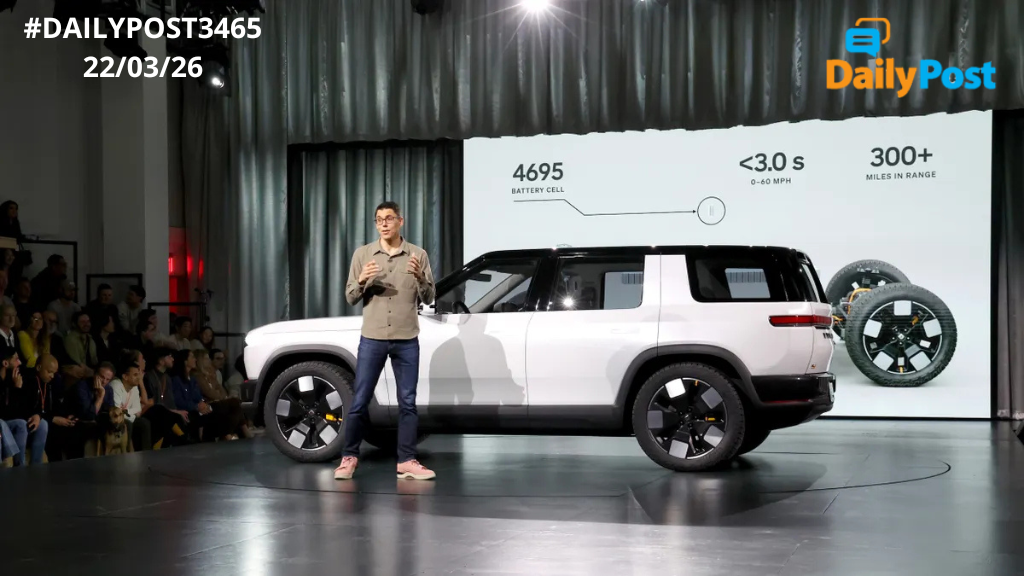
Uber’s 25+ AV partnerships, including Waymo and Zoox, emphasize platform integration, but Rivian stands out via vertical control: in-house RAP1 chip (1,600 TOPS), 11 cameras, five radars, one lidar, plus US manufacturing of R2 SUVs. This reduces reliance on external stacks, enabling exclusive electric fleets scalable to 50,000 units, unlike looser alliances.
The R2 platform’s criticality lies in its Level 4 autonomy hardware for eyes-off rides, boosting efficiency on Uber’s app across 25 cities. Timelines target 10,000 vehicles in San Francisco and Miami by 2028, scaling to 50,000 by 2031 with $1.25B Uber investment tied to milestones—ambitious given unstarted production and Georgia plant build. Realistic if regulatory approvals align, but high-stakes amid R2 delays.
ROBOTAXIS: GEARING UP FOR GLOBAL ROADS!