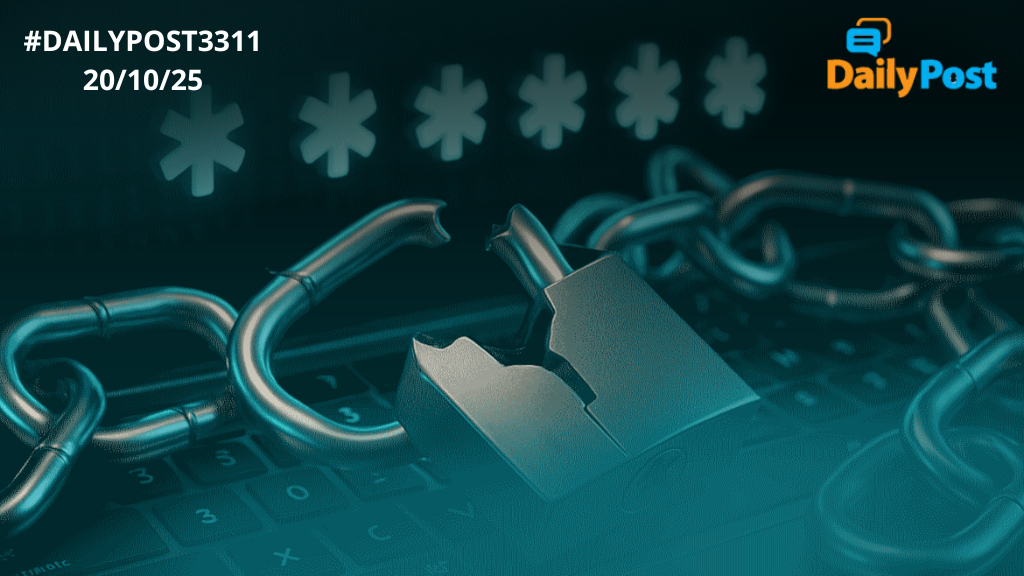
There was a time when password was the most popular password with 1234567 getting the second place. Where it stands now, I have no idea, but the news of password compromise or access facilitation for the hacker, is certainly nothing to write home about. In the first half of 2025, identity-based cyberattacks surged by 32%, with over 97% of these attacks being password-related. Despite advances in technology and security, password theft remains the biggest vulnerability exploited by cybercriminals globally.
Hackers mainly obtain stolen passwords from credential leaks and increasingly use infostealer malware to harvest credentials at scale. The dark web password market continues to thrive, fueled by stolen credentials sold on cybercrime forums. This easy access to bulk usernames and passwords makes account takeovers simple, enabling ransomware and extortion attacks. While hacking techniques evolve, password theft stays central due to weak or reused passwords and lack of multifactor authentication (MFA).
The battle against identity hacks is largely won or lost at the password level, which determines how easily cybercriminals gain unauthorized access.The trajectory of password compromise will worsen unless organizations widely adopt phishing-resistant MFA, which blocks over 99% of identity attacks even when attackers possess correct passwords. Microsoft’s Digital Crimes Unit actively combats infostealer malware distribution, but user and enterprise vigilance remain crucial.
For general users, the takeaway is clear: strengthen your passwords, never reuse them, and enable MFA everywhere possible. MFA is critical today because passwords alone are vulnerable to brute force attacks, phishing, and credential stuffing. Many cyberattacks can be thwarted by deploying MFA, which blocks over 99% of identity-based breaches. For businesses and users alike, enabling MFA is a simple yet highly effective defense measure against growing cyber threats.
IN A WORLD OF EVOLVING CYBER THREATS, PASSWORD STILL REMAINS THE FRONTLINE – STRENGTHEN IT, OR SURRENDER YOUR DIGITAL INDENTITY.
Sanjay Sahay