Siri no longer remains the apple of our eyes. Siri has long been a pioneer among voice assistants, but recent years exposed its stagnation amid rapid advances in artificial intelligence. While rivals like OpenAI’s ChatGPT and Google’s Bard soared ahead with more powerful large language models, Siri’s capabilities plateaued with an aging 150-billion-parameter model at its core.
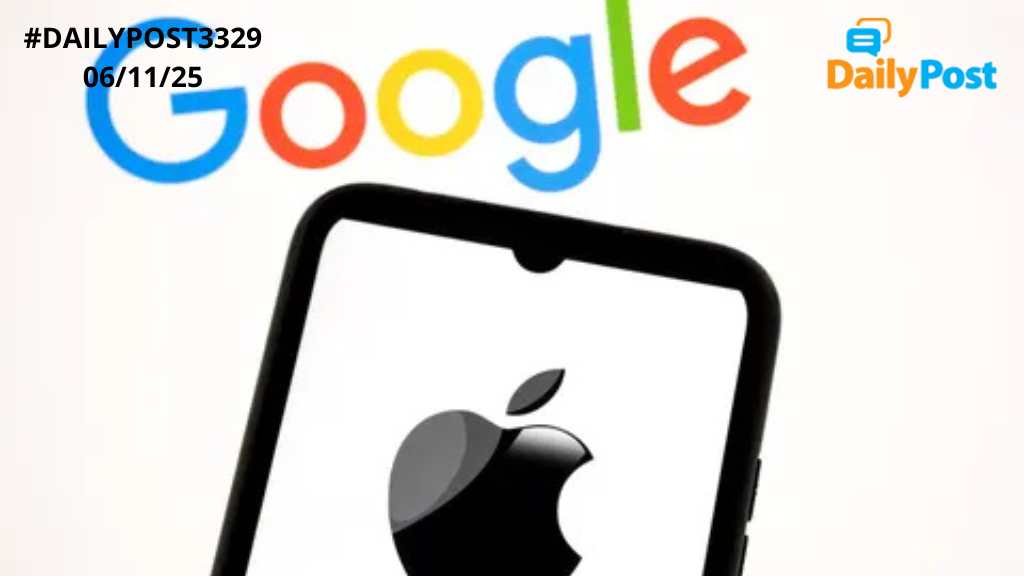
This lag put Apple under intense pressure as consumer and competitor expectations for intelligent assistants evolve. Amid a fiercely competitive AI race marked by breakthroughs in model size, reasoning, and multi-task planning, Apple’s internal AI efforts struggled to keep pace. The recent decision to license Google’s cutting-edge 1.2-trillion-parameter Gemini model signals a pragmatic pivot. Given the gigantic strides in AI by the competitors, Apple was left no choice. AI is turning out to be a do or die affair.
This partnership, costing Apple nearly $1 billion annually, aims to inject new life into Siri’s intelligence without sacrificing Apple’s well-known commitment to privacy, hosting Gemini-powered Siri features on Apple’s Private Cloud Compute infrastructure. Though Apple continues to dream of a homegrown AI breakthrough, this stopgap approach underscores the widening gap between industry leaders and those playing catch-up.
Talent drain and slow internal progress have forced Apple to look outside its ecosystem, at least temporarily, to maintain relevance in the global AI contest where scale and sophistication now determine dominance. As Apple quietly integrates Google’s Gemini into Siri’s future, it faces the paradox of strengthening Siri using a rival’s brainchild. Apple must now reconcile its image as a privacy-first innovator with the reality of external dependence. It is an uneasy but necessary step to keep pace in the AI era.
WHEN INNOVATION STAGNATES, EVEN THE LIKES OF APPLE NEED TO BORROW BRILLIANCE.