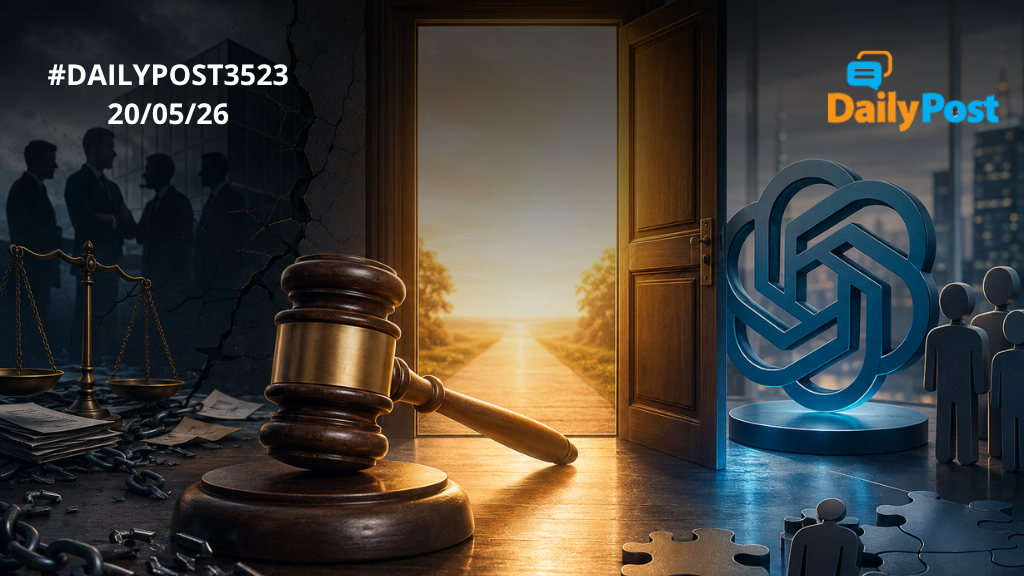
Elon Musk’s sprawling $100B suit against OpenAI, its leaders, and Microsoft ended not with a blockbuster ruling on who controls powerful AI, but with the jury unanimously finding the claims were time‑barred. The real issue of OpenAI’s shift toward commercial structures breached charitable duties or diverted charitable assets remained undecided.
Legally, the complaint presented plausible theories—breach of fiduciary duty, improper diversion of charitable assets, and requests for disgorgement or unwinding of transfers—that courts commonly entertain when nonprofits reorganize or commercialize technology. OpenAI’s defense stressed prior assent etc, the jury never reached on the merits because it concluded Musk waited too long to sue.
Practically, the case is a warning and a blueprint: nonprofits can commercialize through subsidiaries, licensing, or hybrid entities, but must document donor intent, board approvals, valuations, and formal procedures carefully to reduce litigation risk. Policymakers and courts will likely need to clarify standards around conversions, restricted assets, and hybrid governance as AI nonprofits attract more capital and commercial opportunity.
A safe, normative conclusion—separate from the jury’s procedural ruling—is that the Musk trial should prompt clearer governance and stronger transparency when nonprofits develop commercially valuable technology. Simultaneously, robust board processes would better protect charitable missions while allowing lawful commercialization, and would prevent high‑profile disputes from ending on technicalities rather than legal principles.
THE JUDGMENT CLOSED THE DOOR ON PROCEDURE, MAKING OAI’s VICTORY SMOOTH.
Sanjay Sahay
Have a nice evening.