
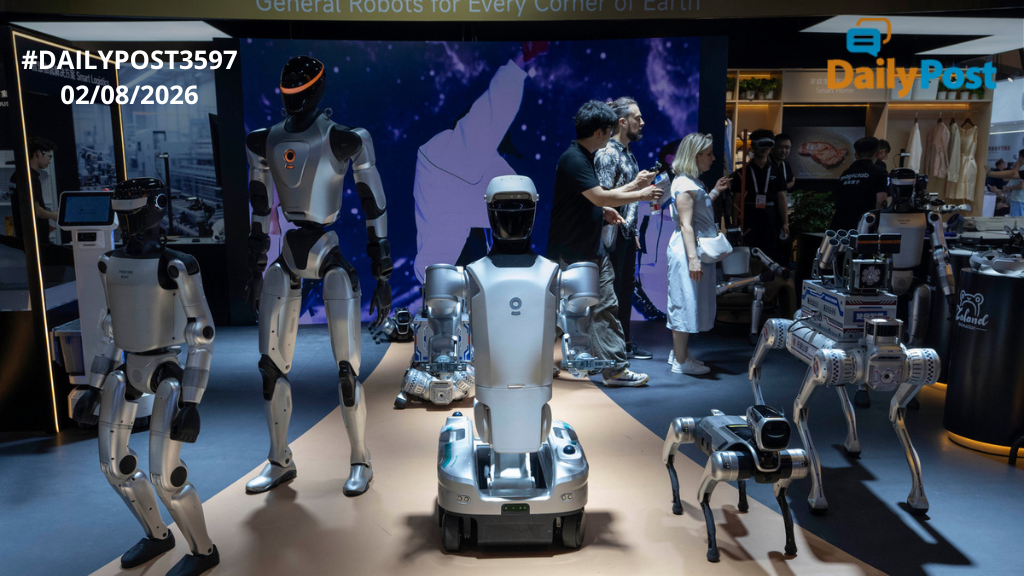
The FCC has added foreign-made humanoid robots, robot dogs, and power inverters to its “Covered List” — the same national-security blacklist used for Huawei. New models can no longer receive the equipment authorization required to be imported, marketed, or sold in the U.S. While existing devices and current store inventory remain unaffected, the rule effectively shuts the door on fresh foreign robotics entering the U.S. market.
Washington classifies these units as “connected smart machines” equipped with cameras, sensors, and wireless links that pose risks of spying, data theft, or remote cyberattacks on critical infrastructure. Grounded in the Secure and Trusted Communications Networks Act, the law allows the FCC to update the blacklist when security agencies flag “unacceptable risk.” Consequently, any sensing, connected robot is now legally treated as a potential national-security threat.
Although the policy applies broadly, China is the primary target. Chinese firms manufactured nearly 90% of global humanoids last year and account for six of the top ten makers. Beijing has denounced the decision as politically motivated and threatened countermeasures, confirming the move as a strategic effort by Washington to de-risk supply chains and shield the domestic market, prioritizing national security over open trade.
China’s dominance stems from dense manufacturing ecosystems, rapid product iteration, and heavy state support, leaving non-Chinese competitors without a clear runner-up. The ban creates a protected domestic sandbox for U.S. robotics firms to scale and secure capital without competing against lower-priced Chinese hardware. However, domestic success hinges on whether American manufacturers can achieve reliable, affordable mass production before global supply chains fragment.
PROTECTION WITHOUT SCALE IS JUST A COSTLY PAUSE BUTTON.
Sanjay Sahay
Have a nice evening.