
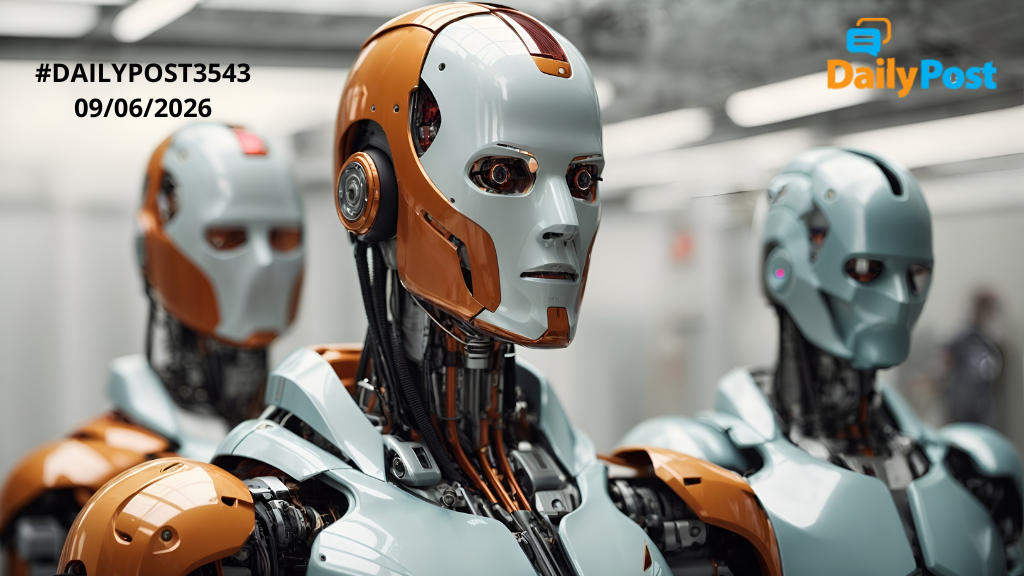
Amazon has unveiled Proteus, a new warehouse robot that understands plain-language instructions. Instead of being programmed step-by-step, Proteus can listen to conversational commands, decide which tasks are most urgent, plan routes, and move heavy carts across warehouses. The company showed the robot in London and said it will start deploying the machines across Europe from 2027.
The announcement comes as Amazon invests about €10 billion in European logistics while also cutting thousands of office jobs. The company says the investment will create 25,000 logistics roles and expand worker training, even as automation and AI have already contributed to large rounds of white-collar layoffs.
For warehouse workers, Proteus could speed up packing and delivery, reduce physical strain, and make operations more efficient. But there’s a risk: temporary hiring and new roles may not fully replace stable, middle-skill jobs lost to automation. Over time, robots that become better at planning and decision-making could reduce the demand for routine human roles.
Policy and company choices will matter. If Amazon pairs automation with long‑term training, fair transition plans, and quality job creation, workers can benefit. Without those safeguards, efficiency gains may mostly cut costs and displace employees — especially those in entry and middle-level roles.
TECHNOLOGY CAN CREATE JOBS — BUT ONLY IF COMPANIES CHOOSE PEOPLE OVER PURE PROFIT.
Sanjay Sahay
Have a nice evening.