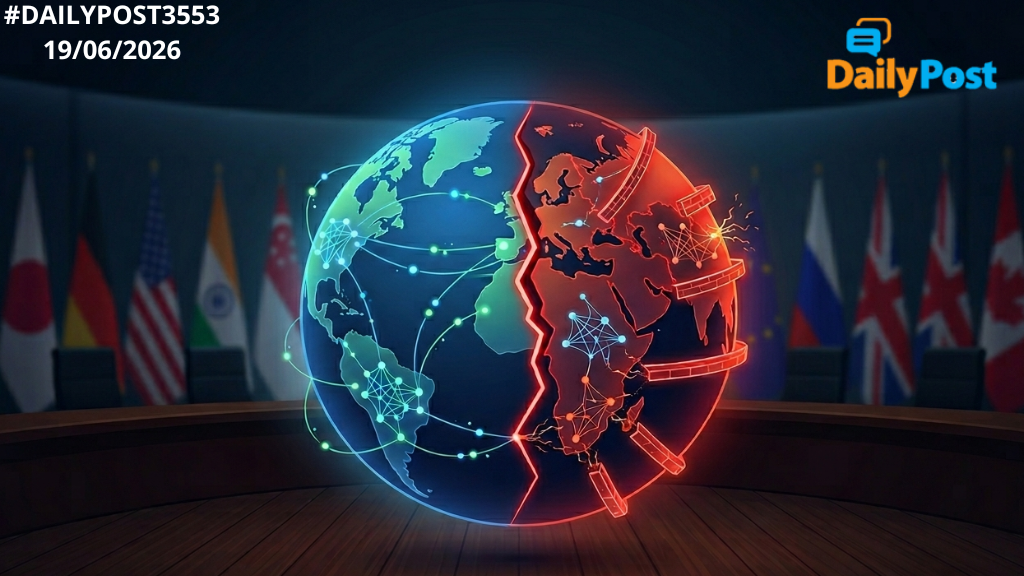
World leaders and top AI chiefs met at the G7 to discuss safety and rules for powerful systems. Anthropic is locked in a fight with the U.S. government over export restrictions that took Mythos and Fable offline. Leaked letters show Washington warned against sharing models with “foreign persons,” while staff say they feel unfairly targeted. The contrast between summit diplomacy and on-the-ground enforcement exposes how messy AI governance already is.
The dispute underlines that AI is both technical and geopolitical, with competing priorities at play. Many governments still lack deep technical expertise and clear procedures to regulate fast-moving models. That gap pushes officials toward blunt tools like export controls, which cause disruption and legal fights. The result is uncertainty for companies, allies, and the public while rules lag behind technology.
The G7 can help by setting common principles and sharing threat assessments to reduce fragmentation. Practical steps include funding cooperative safety research, creating shared testing standards, and building transparent incident-reporting systems. But high-level declarations alone won’t resolve live disputes without clear criteria and enforcement agreements.
If leaders pair political will with practical measures, the Anthropic standoff could move from courtroom drama to managed oversight. Agreed export rules tied to clear technical criteria, joint audits, and faster expert dispute channels would cut friction. Until then, expect more public rows over access, control, and trust between companies and states.
GLOBAL AI SAFETY WILL ONLY WIN WHEN POLITICS LEARNS THE LANGUAGE OF TECHNOLOGY.
Sanjay Sahay
Have a nice evening.