
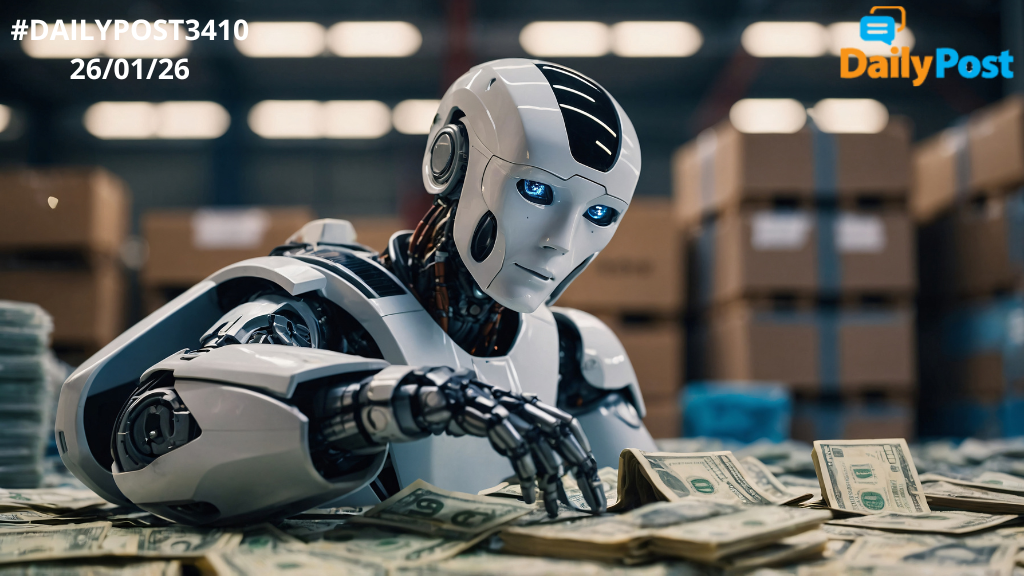
Moonshots have remained Elon Musk’s DNA for quite a long time now. The latest has been from Davos, when he painted a future where humanoid robots like Tesla’s Optimus outnumber humans. He predicts these bots will handle factory jobs first, then “saturate all human needs” by decade’s end—think cooking, cleaning, and more. Already, Optimus manages basic tasks in Tesla factories, with sales to the public eyed for 2027.
This aligns with Musk’s track record of pushing boundaries, from electric cars to reusable rockets. Musk’s timeline is aggressive: AI surpassing any single human by late 2026, and all humanity by 2030-2031. Online reactions mix excitement and skepticism — supporters hail it as abundance, while critics like economists warn of mass unemployment.
Recent Tesla demos show Optimus folding shirts and sorting objects, but experts note current bots still falter on dexterity compared to humans. Musk has his own weird way of going around things. Musk dismisses dystopia, calling it utopia, even joking that aging is “solvable.” The big gap? Musk skips what humans do when robots do everything.
Public opinions on X and forums highlight fears of job loss in manufacturing and services, echoing debates from his 2024 “abundance” talks. Yet, he envisions freed-up time for creativity, backed by Tesla’s real progress on AI training via Dojo supercomputers.
WHEN ROBOTS OUTNUMBER US, WILL HUMANS REDEFINE PURPOSE—OR BECOME OBSOLETE?